
Automate your customer service.
Sign up free
 Solutions
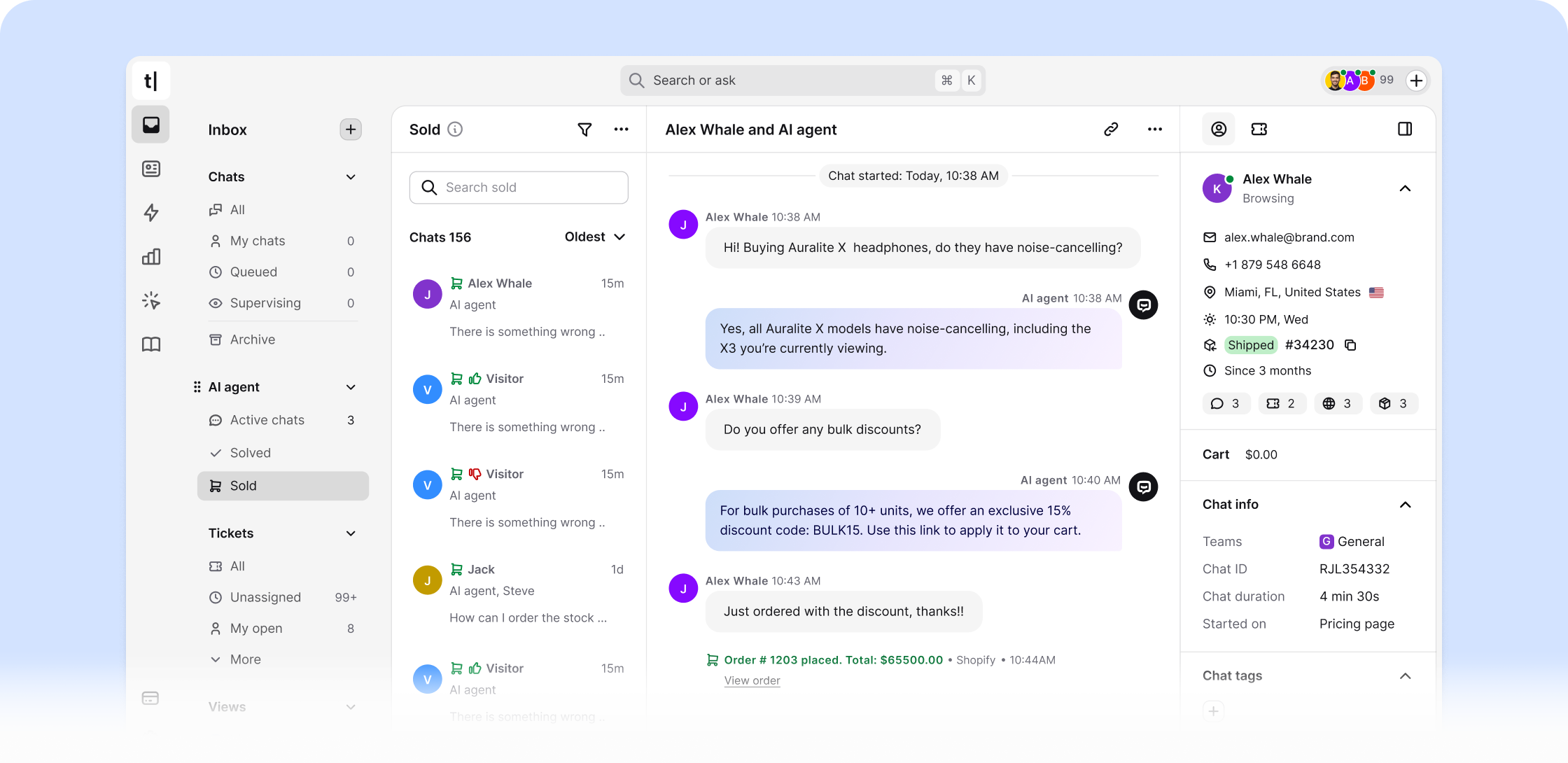
Handle meter readings, bill breakdowns, and service requests before your queue lights up.
Free 14-day trial No credit card required

35,000+ companies worldwide run support through Text.













Your utility chatbot handles customer inquiries around the clock. It automates outage reporting, answers billing queries instantly, and saves your support team time on repetitive tasks.
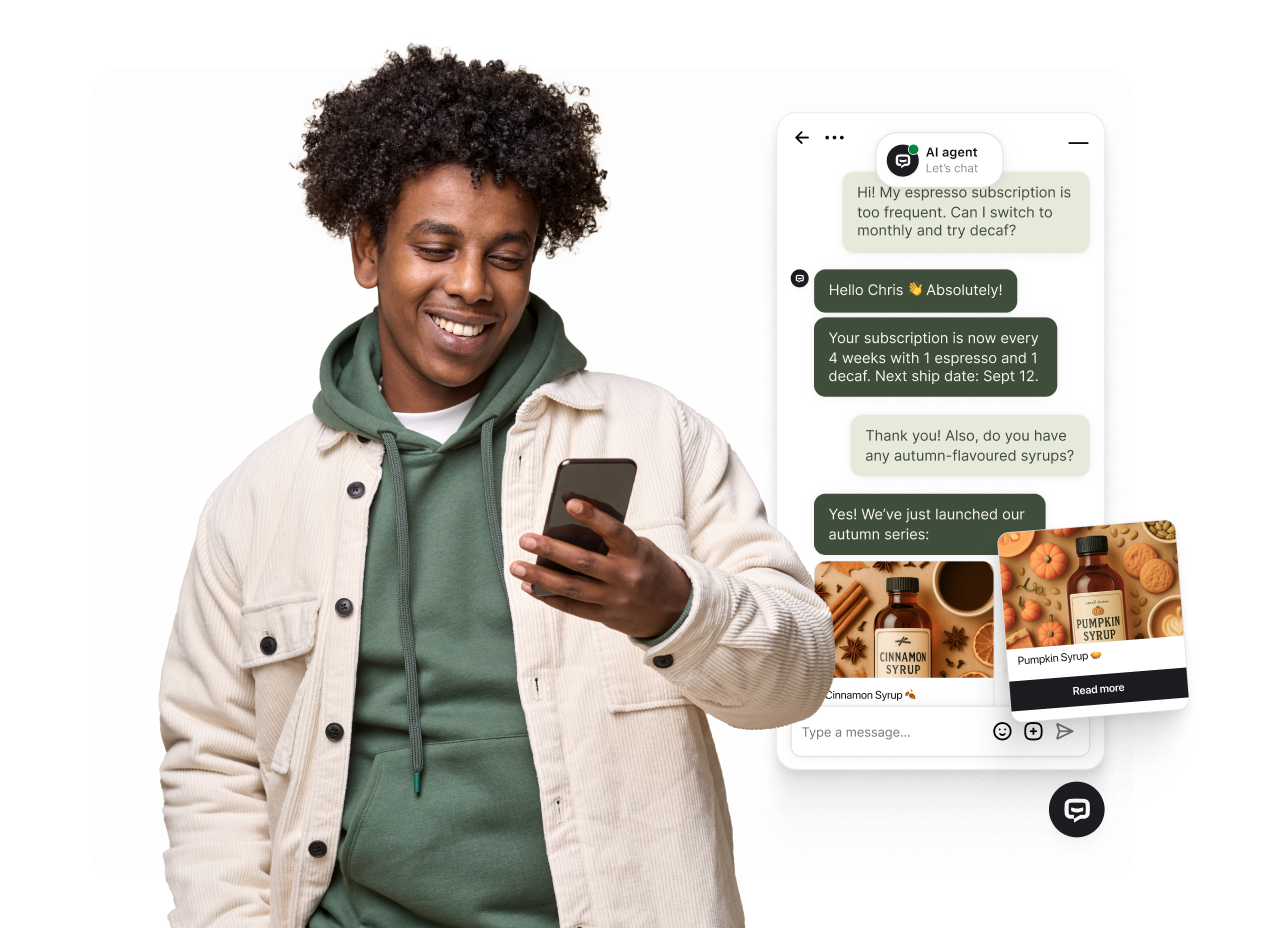
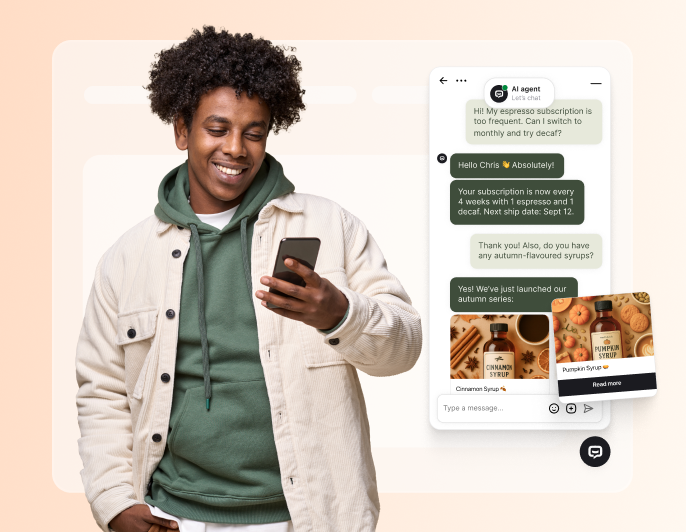
Utility customers get instant answers from your AI chatbot about outage updates, billing inquiries, and service requests. No waiting on your support team.
Your AI agent handles service requests while utility support teams focus on complex field issues.
The utility chatbot handles outage reporting and service requests 24/7, even during peak demand periods.
Your utility chatbot sends automated outage alerts and helps customers track service restoration times without waiting.
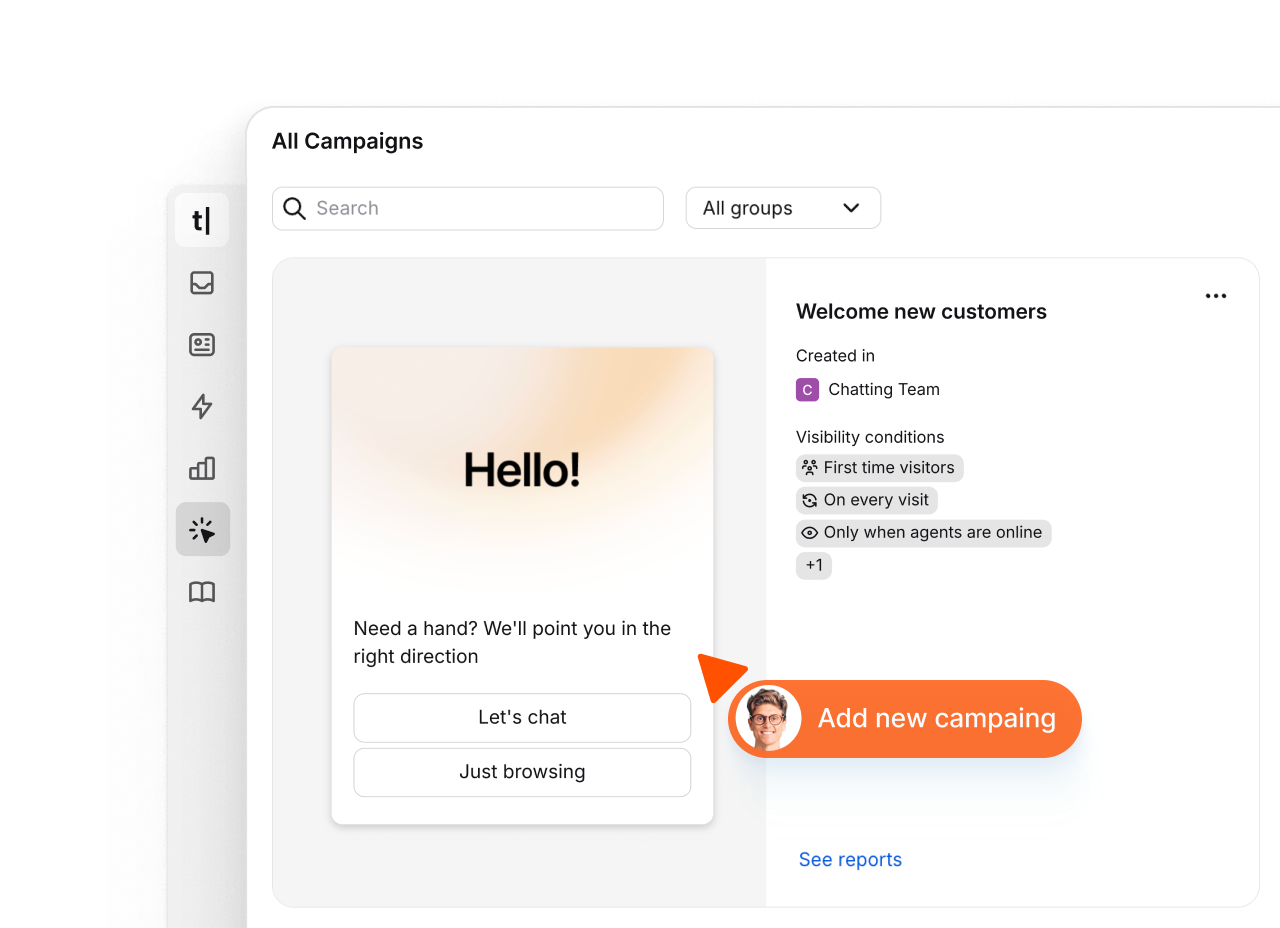
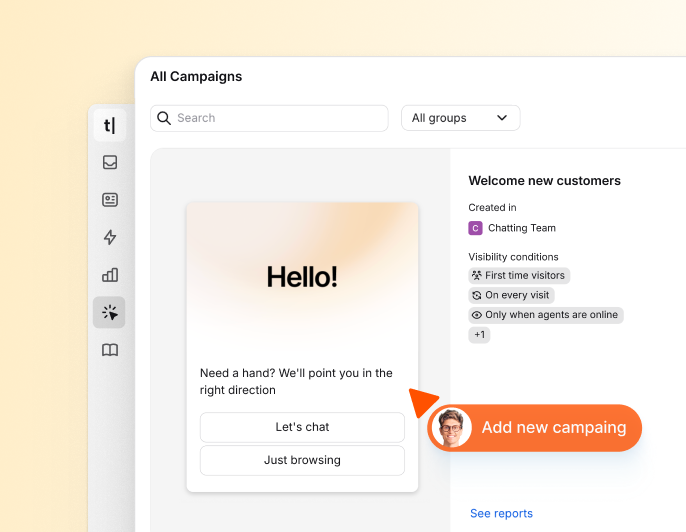
With campaigns, you can proactively connect with your customers - welcoming new accounts, offering efficiency tips, capturing feedback, and announcing service updates.
An AI-powered utility chatbot automates customer inquiries, service requests, and outage reporting for utility companies. It improves customer experience and customer satisfaction while reducing operational costs in the utility industry.
Utility providers use an AI-powered utility chatbot to handle customer queries, utility services, and outage reporting while enhancing customer communication.

Free 14-day trial No credit card required

 AI-powered
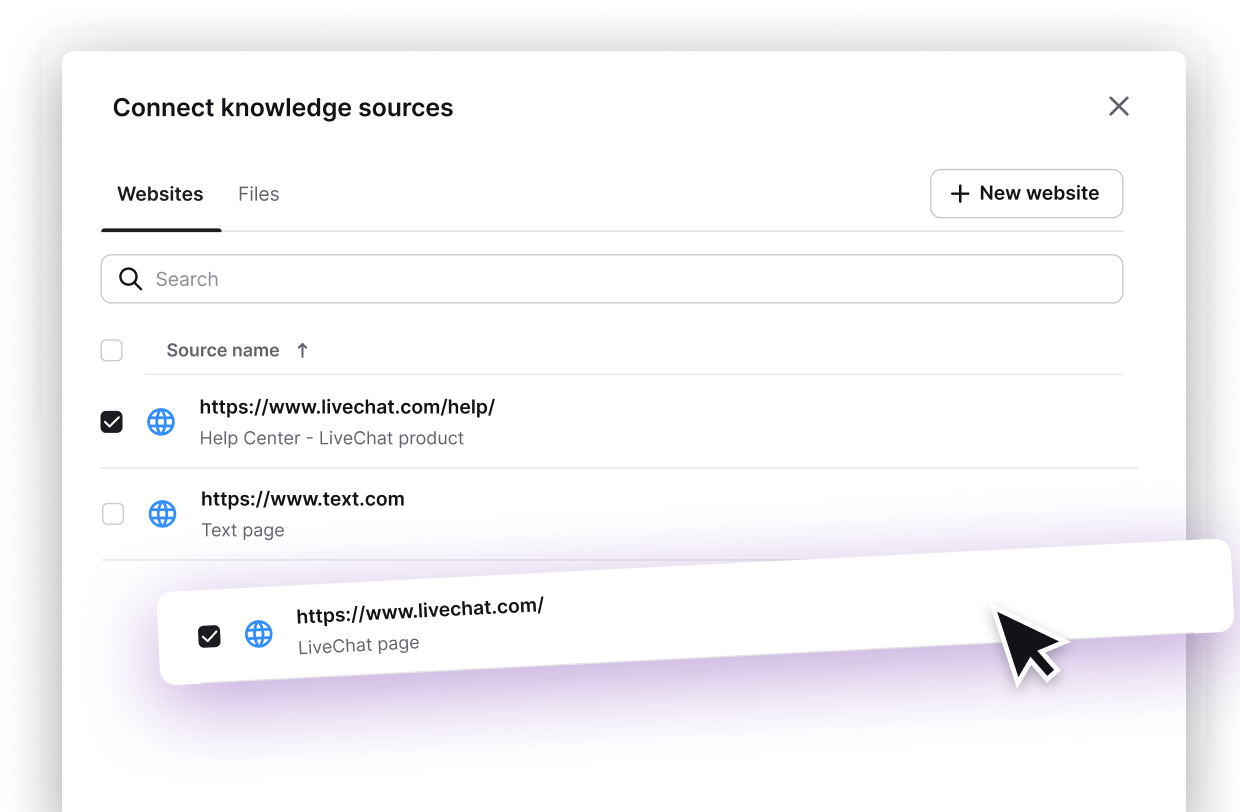
Train artificial intelligence on your billing structures, outage protocols, and service plans. Customers get accurate, up-to-date information — not generic responses that create more confusion.
Control the language settings your AI agent uses with every customer.
Track the number of chats resolved entirely by your AI agent.
Decide how your AI agent presents itself and where it draws the line.
 Website
 Mail
Mail
 SMS
SMS
 WhatsApp
 Messenger
Text's ChatBot.com for utility sector connects to billing platforms, CRM tools, and messaging apps your utility company already uses.
Sign up freeEvery outage report and billing inquiry is a signal. Text surfaces usage patterns, recurring service issues, and satisfaction trends so you act before problems escalate.
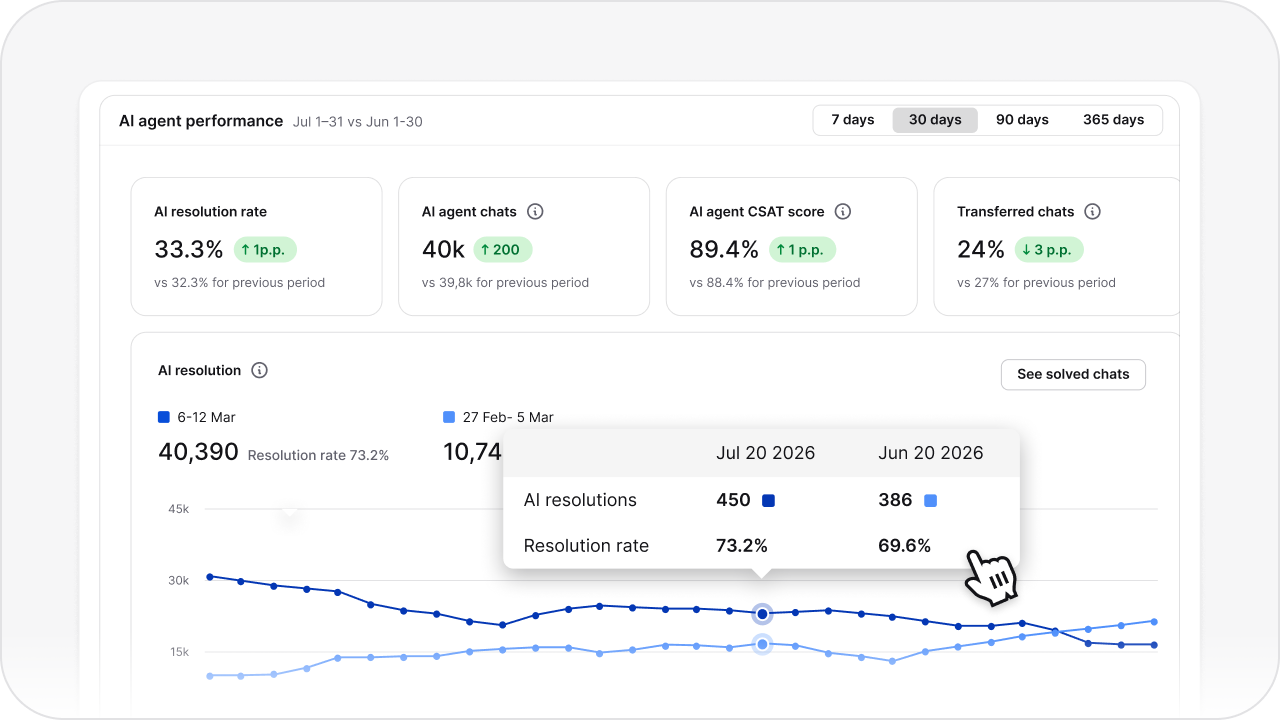
Track outage report volumes, billing inquiry trends, and self-service resolution rates. Know which service issues generate the most customer contacts - and address them before the next peak.
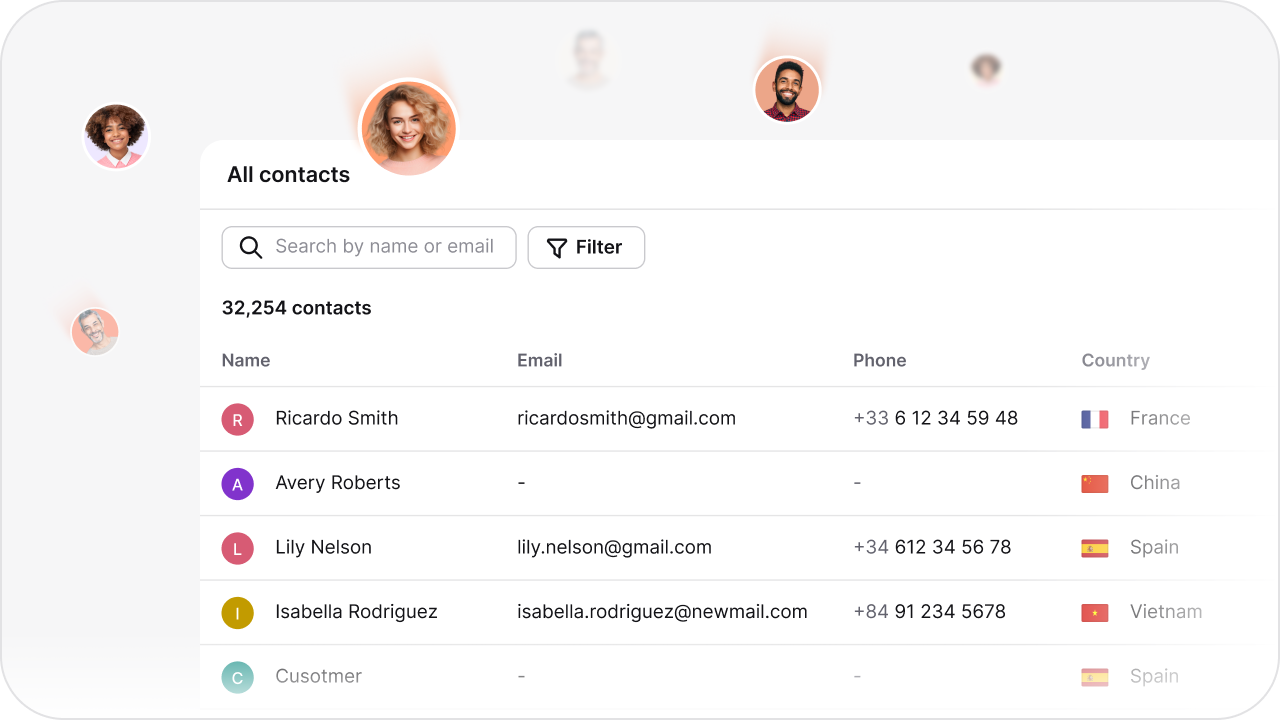
Understand how customers use their accounts and what they ask most. Use those insights to improve service communications, reduce inbound volume, and build trust proactively.

 4.4 rating
 4.6 rating
 4.5 rating
See how ChatBot.com helps teams in every industry automate conversations and deliver instant, 24/7 support.
A utility chatbot can answer routine questions from approved billing, account, and outage information. It can collect a service request and direct customers to the appropriate self-service or support channel. Account-specific data and live outage updates require a secure connection to the utility's systems, while emergencies should always follow the provider's official emergency process.
The chatbot can collect an outage report and direct customers to the utility's official status or emergency channel. Notifying operations staff or returning live status updates requires a secure connection to the utility's outage-management system.
ChatBot.com supports a website chat widget and selected communications integrations. The utility should verify which channels are supported, what data may be exchanged, and how safety-critical or account-specific requests are escalated on each one.
Compatibility with a legacy system depends on its API and security model. ChatBot.com can use supported integrations, webhooks, or middleware for specific workflows, but the utility should validate permissions, reliability, and data retention before deployment.
A utility can configure the chatbot to share approved energy-saving guidance and link to official programs. Personalized usage analysis or savings estimates require current account data and rules supplied by the utility.
The chatbot can explain approved billing terms and direct customers to payment or account resources. Explaining a specific bill, taking payment, or showing usage requires secure access to the utility's customer system.
The chatbot can direct customers to approved self-service resources for billing, account access, service requests, and outages. Completing an account action or returning live data requires the relevant integration and authorization.
A chatbot can answer routine information requests without involving an employee in every conversation. Operational impact depends on demand, answer quality, integration costs, escalation rates, and the utility's support process.
The utility configures which topics the chatbot may answer and which situations require escalation. Routine questions can use approved knowledge, while account-specific, safety-critical, or unresolved requests should follow a defined handoff path. A LiveChat integration can pass conversation context to an agent.
Chatbot reports can help teams review conversation activity and recurring questions. The utility decides what customer information to request and must configure consent, access, and retention according to its privacy and regulatory obligations.